
Crafting with Alpaca Yarn: Exploring the Uses of Alpaca Fleece
When I first discovered the charm of working with alpaca yarn, I was immediately drawn to its softness and warmth. This natural fiber, harvested from the gentle alpacas, offers a unique crafting experience that combines luxury with sustainability. Whether you are knitting a cozy scarf or weaving a delicate shawl, alpaca fleece brings a special touch to every project. In this post, I want to share my insights on the uses of alpaca fleece, practical tips for crafting with it, and answers to common questions about sourcing this wonderful material.
The Many Uses of Alpaca Fleece in Crafting
Alpaca fleece is incredibly versatile, making it a favorite among fiber artists and crafters. Its fine, silky texture and insulating properties make it ideal for a variety of projects. Here are some popular uses of alpaca fleece that I have enjoyed exploring:
Knitting and Crocheting: Alpaca yarn is perfect for creating soft, warm garments like sweaters, hats, mittens, and scarves. Its natural elasticity and smoothness make stitches look neat and consistent.
Weaving: The fiber’s strength and luster add a beautiful sheen to woven fabrics, ideal for making blankets, wraps, and decorative wall hangings.
Felting: Alpaca fleece felts well, allowing crafters to create dense, durable items such as slippers, bags, and toys.
Spinning: For those who enjoy hand-spinning, alpaca fleece is a joy to work with due to its smooth fibers and lack of lanolin content, which means less grease and easier processing.
One of the things I appreciate most is how alpaca fleece is hypoallergenic, making it suitable for people with sensitive skin. Plus, it’s warmer than wool but lighter in weight, which means your finished projects are cozy without being bulky.
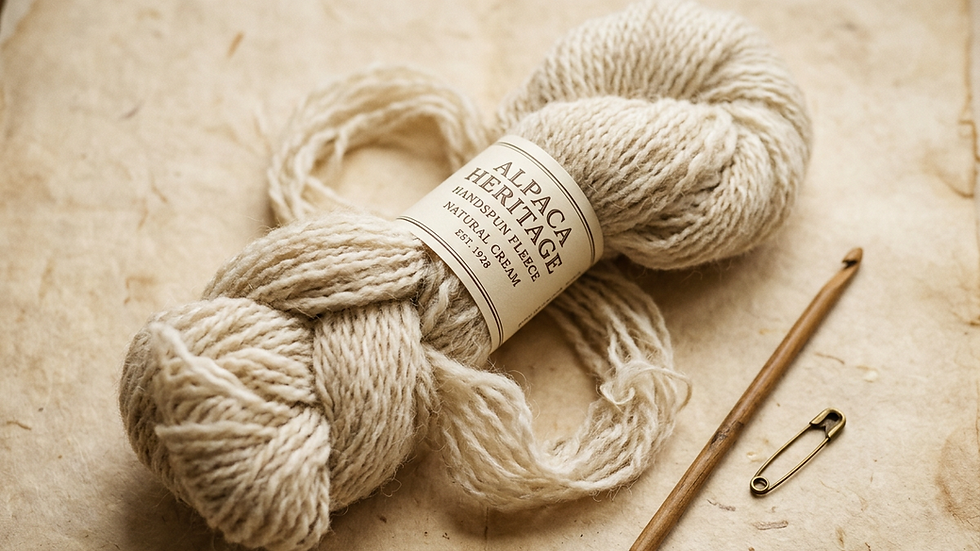
How to Work with Alpaca Fleece Yarn: Tips and Tricks
Working with alpaca fleece yarn requires a bit of care to get the best results. Here are some practical tips I’ve gathered from my crafting experience:
Choose the Right Needles: Because alpaca fibers are smooth and can be slippery, I recommend using needles with a bit of texture or wood needles to prevent stitches from sliding off.
Handle Gently: Alpaca yarn is delicate compared to some other fibers. Avoid pulling too hard or stretching your work excessively to maintain the yarn’s integrity.
Wash with Care: Always hand wash your finished items in cool water with a gentle detergent. Avoid wringing or twisting to prevent felting or distortion.
Block with Caution: When blocking your knitted or crocheted pieces, use pins and a flat surface, and allow them to dry naturally to keep the shape intact.
Combine with Other Fibers: For added durability or texture, blend alpaca fleece yarn with wool or silk. This can enhance the yarn’s strength and add interesting visual effects.
By following these tips, you can create beautiful, long-lasting pieces that showcase the unique qualities of alpaca fleece.
Does Michaels Sell Alpaca Yarn?
If you’re wondering where to find alpaca yarn locally, Michaels is a popular craft store that many crafters check first. Michaels does carry a selection of specialty yarns, but alpaca yarn is not widely available. Luckily our Alpaca farm located in eastern Iowa, including Cedar Rapids, Marion, and Iowa City, you have Rainbow Feathers Farm with beautiful selection of Alpaca yarn.

Why Choose Alpaca Yarn for Your Next Project?
There are many reasons why I prefer alpaca yarn over other fibers. Here are some benefits that make it stand out:
Sustainability: Alpacas have a low environmental impact compared to other livestock. They have soft padded feet that don’t damage the ground and consume less water and food.
Durability: Despite its softness, alpaca fleece is strong, which means your handmade items will look great for years.
Thermal Insulation: Alpaca fibers trap heat efficiently, keeping you warm in cold weather without overheating.
Hypoallergenic: Unlike wool, alpaca fleece contains no lanolin, making it less likely to cause allergic reactions.
Variety of Natural Colors: Alpacas come in a range of natural colors from white and cream to browns, grays, and blacks, allowing for beautiful, undyed yarn options.
When I choose alpaca yarn, I know I’m working with a fiber that is both luxurious and practical. It’s perfect for gifts, heirloom pieces, or everyday wear.
Getting Started with Alpaca Yarn: A Beginner’s Guide
If you’re new to crafting with alpaca yarn, here’s a simple plan to get you started:
Select a Project: Start with something small like a scarf, hat, or pair of mittens. These projects are manageable and allow you to get a feel for the yarn.
Pick the Right Yarn Weight: Alpaca yarn comes in various weights from lace to bulky.
Gather Tools: Use wooden or bamboo needles/hooks to help grip the yarn better.
Practice Swatching: Make a small swatch to check your gauge and see how the yarn behaves.
Join a Community: Whether online or local, connecting with other alpaca yarn enthusiasts can provide support, inspiration, and advice.
By taking these steps, you’ll build confidence and enjoy the rewarding process of crafting with this beautiful fiber.
Crafting with alpaca yarn has truly enriched my creative journey. Its softness, warmth, and versatility make it a joy to work with, and the finished products are always special. Whether you’re a seasoned fiber artist or just starting out, I encourage you to explore the wonderful world of alpaca fleece and discover the many ways it can enhance your crafting projects. Happy crafting!


Comments